My Family Can’t Keep Helping Every Day – What Support Is Available in Melbourne?
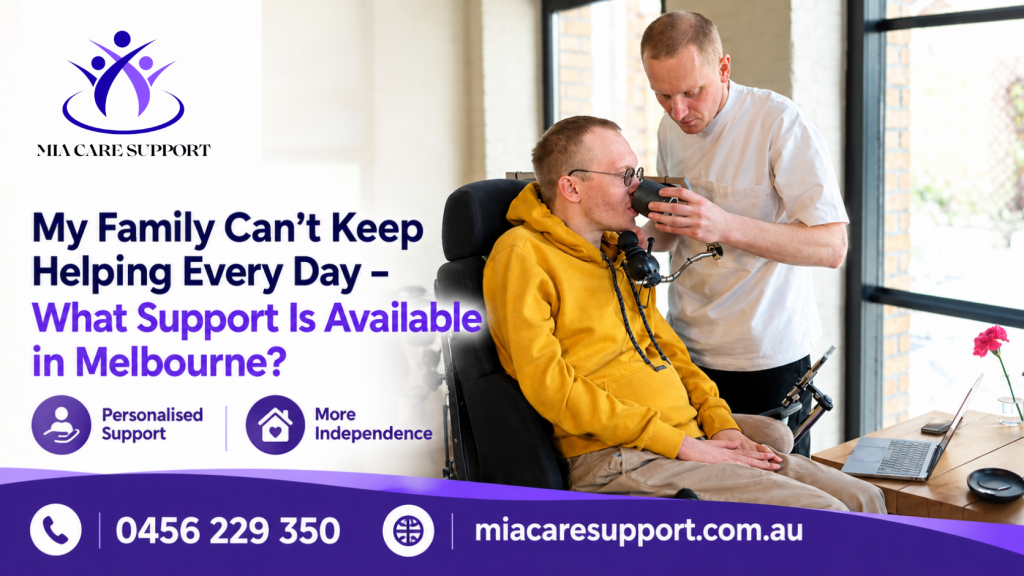
Families often step in when everyday tasks become difficult. But when support needs increase, asking parents, partners or siblings to help with everything can become exhausting for everyone. That is where professional disability support can make a practical difference. Instead of relying entirely on family, participants can receive personalised assistance that fits their routines, goals and NDIS plan. What Can Disability Daily Living Services in Melbourne Include? Disability daily living services in Melbourne can provide practical assistance with everyday activities that may be difficult because of disability-related needs. Depending on the participant’s situation, this may include personal care, meal preparation, household chores, mobility support and daily routines. The purpose is not to take over everything. Good support should help a person manage their day while respecting their choices, preferences and level of independence. How Can NDIS Life Skills Assistance in Melbourne Help Build Confidence? NDIS Life Skills Assistance in Melbourne focuses more on developing practical abilities for the future. This could include learning to cook a simple meal, manage a budget, use public transport, communicate confidently or make everyday decisions. For younger participants or people preparing to live more independently, skill development can be an important part of their support journey. The focus can gradually shift from “help me do this” towards “help me learn how to do this.” When Is It Time to Consider Professional Support? There is no need to wait until a family becomes completely overwhelmed. If relatives are regularly missing work, cancelling plans or feeling exhausted because they are providing daily assistance, it may be worth exploring other options. A person-centred support plan can help identify where professional assistance would be most useful. Some participants may need regular hands-on support, while others may benefit from help developing specific skills. Can Support Reduce Pressure on Family Carers? Yes. Having a reliable support worker can give families more breathing room while ensuring the participant continues receiving appropriate assistance. This does not mean family involvement has to disappear. Instead, professional support can complement what relatives already provide, creating a more sustainable arrangement for everyone. What Should You Look for in a Melbourne Provider? Trust matters when someone will become part of your routine. Look for consistent support workers, flexible scheduling, clear communication and a genuine willingness to understand individual goals. It is also worth asking how the provider approaches changing needs. A participant’s support should be able to evolve as their circumstances, confidence and goals change. How Can Mia Care Support Help? Mia Care Support provides personalised disability support designed around individual needs and goals. Whether someone needs assistance with everyday activities or wants to develop practical life skills, having the right support can make family responsibilities more manageable. If your family is struggling to provide daily assistance alone, exploring professional support could be a useful next step. Support for Today and Skills for Tomorrow Your family should not have to carry every responsibility alone. The right professional support can make everyday routines more manageable while helping participants work towards their own goals. If you’re looking for Disability daily living services in Melbourne, Mia Care Support can help you explore personalised support options suited to your needs. Call 0456 229 350 or email info@miacaresupport.com.au to discuss your support requirements. Frequently Asked Questions 1. What are disability daily living services? They provide practical assistance with everyday activities such as personal care, meals, household tasks and mobility. 2. What is life skills assistance? It helps participants develop practical abilities such as cooking, budgeting, communication and using public transport. 3. Can NDIS support reduce family responsibilities? Professional support can complement family assistance and help reduce the amount of day-to-day support relatives provide. 4. Can a participant receive both types of support? Depending on their needs and NDIS plan, a participant may receive practical daily support alongside skill-development assistance. 5. Who can benefit from daily living support? Participants who need disability-related assistance managing everyday activities may benefit from appropriate support. 6. Can life skills support help young adults? Yes. It can help young people develop practical skills for greater confidence in everyday situations. 7. Does support mean family members cannot be involved? No. Families can remain involved while professional support provides additional assistance where needed. 8. How often can a support worker visit? The frequency depends on individual needs, available funding and the agreed support arrangement. 9. How do I choose a disability support provider in Melbourne? Consider reliability, staff consistency, communication, flexibility and whether support is genuinely personalised. 10. What should my family do if we cannot keep providing daily help? Consider discussing the participant’s changing needs with their support coordinator, NDIS contact or an appropriate provider to explore available options.
Essential Life Skills Programs for Young Adults Transitioning to Independence

Young adulthood brings exciting opportunities and significant responsibilities. NDIS life skills assistance in Melbourne programmes provides comprehensive support for transitioning into independence successfully. These structured interventions develop practical abilities essential for confident self-management. Discover how targeted skills training programmes transform lives and build genuine autonomy. Why Life Skills Development Matters Now More Than Ever Young adults face unprecedented challenges in navigating modern society independently. Independent living skills directly impact employment prospects, relationships, and well-being outcomes. Structured support during transition years prevents common struggles. Evidence shows targeted interventions create measurable improvements in real-world capabilities. Core Skills Young Adults Actually Need Life skills programmes address five fundamental capability areas: Understanding NDIS Life Skills Support Point Cook Options Support coordinators help identify personalised life skills development pathways aligned with individual goals. NDIS life skills development in Mickleham combines practical training with mentorship approaches. Participants gain confidence through hands-on learning experiences. What Gets Covered in Support Plans? Key Area Support Focus Expected Outcomes Daily Tasks Meal prep, cleaning routines Independent home management Social Skills Conversation practice, confidence building Meaningful relationships Work Skills Job searching, workplace protocols Successful employment pathways Money Skills Budgeting fundamentals, financial planning Responsible financial decisions How Registered NDIS Life Skills Support in Melbourne Works Practically Providers develop individualised programmes addressing specific capability gaps. Best NDIS life skills provider in Melbourne services follow evidence-based methodologies throughout. Participants engage in real-world scenarios, building genuine competence. Regular progress reviews ensure support remains effective and relevant. Key Programme Features Addressing Common Transitional Challenges Life skills training near Melbourne CBD addresses real barriers young adults encounter. Can NDIS help improve independent living skills? Absolutely—through targeted interventions addressing specific capability gaps. How does NDIS fund life skills development? Personalised plans allocate funding based on identified support needs. Participants access coaching, training, and mentorship resources. Coordinators work collaboratively ensuring funding maximises outcomes. What is included in NDIS life skills assistance? Life skills assistance programs provide coaching, training, mentorship and practical support. Services extend across daily living, employment readiness, and social development. Transform Your Independence Journey Today Starting your transition shouldn’t feel overwhelming or uncertain. Structured support creates pathways toward genuine autonomy and confidence. Young adults deserve meaningful preparation for independent living. Take your first step toward independence. Connect with qualified support coordinators now. Discover how tailored programmes build the skills you actually need. Mia Care Support is a registered provider specialising in NDIS life skills assistance in Melbourne. If you wish to improve your daily living skills and need assistance from experts, get in touch with us. Call 0456 229 350 to learn more. Frequently Asked Questions Q1: At what age can young adults access life skills support? Most programmes serve young adults aged 16–25 years transitioning toward independence. Q2: How long do typical life skills programmes run? Durations vary from 6 to 12 months, depending on individual goals. Q3: Can family members participate in support sessions? Yes, many providers encourage family involvement, strengthening home-based learning. Q4: What happens if progress plateaus during programmes? Coordinators adjust approaches, identifying alternative strategies, ensuring continued development. Q5: Are programmes available year-round without waiting periods? Availability varies; early contact with providers ensures efficient programme commencement.